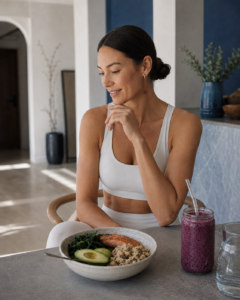
There’s more information available today about wellness than ever before. One person recommends a new dietary supplement, another suggests a strict morning routine, and a third promises that a single ingredient will completely transform your health.
All of this can quickly become overwhelming. But feeling better doesn't mean you have to change your whole life all at once.
The strongest foundation for long-term well-being usually comes from simple, consistent habits: nutritious food, regular exercise, good sleep, stress management, and routines that truly fit your life.
Start with nutrition
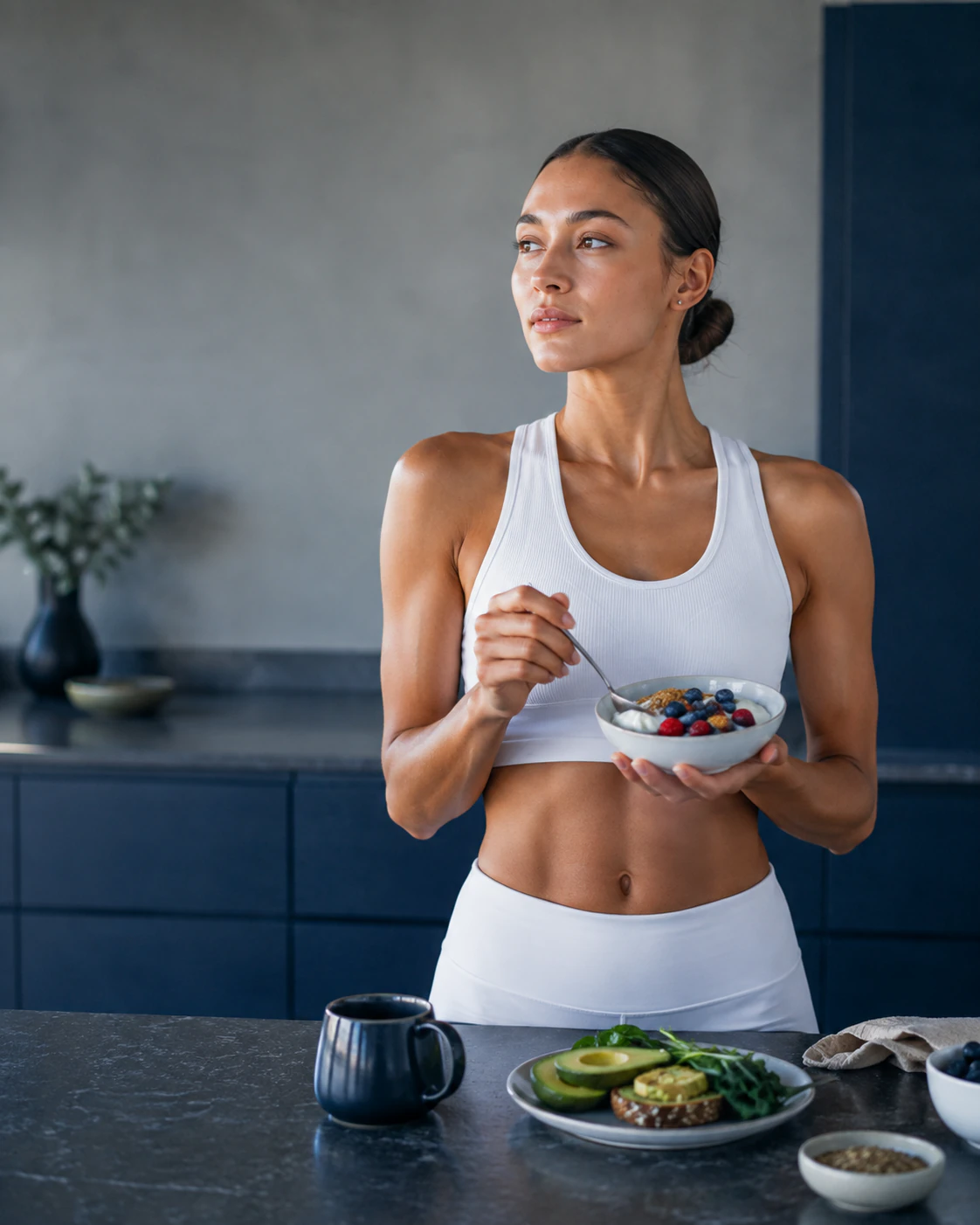
Healthy eating doesn't mean following a perfect diet. A good foundation includes plenty of vegetables and fruits, whole-grain products, legumes, nuts, high-quality protein sources, and healthy fats.
The World Health Organization recommends that carbohydrates come primarily from whole-grain products, vegetables, fruits, and legumes, and that adults eat at least 400 grams of fruits and vegetables per day.
Instead of trying to completely change your diet overnight, think about what you could add to your usual meals to make them more nutritious.
- Source of protein
- A handful of vegetables
- Berries or fruit
- Nuts or seeds
- A source of carbohydrates that is richer in fiber
Consistency is more important than perfection.
Strengthen Your Body
Exercise does much more than just improve your appearance. It helps maintain cardiovascular health, strength, flexibility, energy levels, and mental well-being.
Adults are generally recommended to engage in at least 150–300 minutes of moderate-intensity aerobic activity per week and to do muscle-strengthening exercises at least two days a week.
This doesn't mean you have to exercise intensely every day. Your exercise routine can include walking, strength training, Pilates, swimming, cycling, mobility exercises, or simply being more active throughout the day.
For women, building strength is especially valuable. It’s not just about how your body looks, but also about feeling strong, stable, and confident in your own body.
Start where you are right now. Even a 20-minute walk counts. Even two strength training sessions a week count.
Sleep is part of your wellness routine
Sleep affects how you think, recover, regulate your appetite, and cope with everyday stress. Most adults need at least seven hours of sleep per day, although individual needs may vary.
A more relaxed evening routine might include, for example:
- a more consistent bedtime;
- reducing the intensity of bright lights in the evening;
- less screen time before bedtime;
- a cool and comfortable bedroom;
- limiting caffeine intake in the second half of the day;
- a more peaceful evening routine.
You don't need to achieve the perfect sleep routine. Start by giving your body a chance to rest on a regular basis.
Leave room for recovery
Working harder isn't always the answer. Your body needs time to recover from workouts, work, emotional stress, and a busy schedule.
Recovery can mean stretching, going for a walk, reading, spending time in nature, having a more peaceful evening, or simply allowing yourself to do a little less for a while.


It's not always possible to eliminate stress, but you can cope with it by adopting supportive habits. Think about what helps you calm down and recover.
It could be silence, movement, music, breathing exercises, spending time in nature, or a conversation with someone you trust.
Take care of your skin from the inside and out
Radiant skin isn’t just the result of skincare. Skincare products can help with hydration, the skin barrier, and the skin’s appearance, but how your skin looks and feels is also influenced by diet, sleep, sun protection, stress, and overall health.
A simple skincare routine is often all you need:
- Gentle Cleaning
- Moisturizing
- A product tailored to your skin's needs
- Daily Sun Protection
More products don't automatically mean better results. Choose products with a clear purpose and gradually add new active ingredients to your routine.
Use dietary supplements to support your well-being
Dietary supplements can be beneficial if they address a specific need, help fill a nutritional gap, or support a specific goal.
However, they should not replace a balanced diet, exercise, sleep, or necessary medical care.
Before choosing a dietary supplement, ask yourself:
- Why am I taking this?
- Are the ingredients and dosage clearly listed?
- Are the ingredients listed clearly?
- Does this fit into my current routine?
- Could this affect the effectiveness of medications or any health conditions?
- Would I need to consult a specialist or have blood tests done first?
The most beneficial dietary supplement isn't necessarily the trendiest one. What matters is that it suits your body, your needs, and the rest of your lifestyle.
Think about the big picture, not individual habits
Your well-being isn't determined by a single product or a single decision. It's influenced by your body, habits, mindset, relationships, and environment.
All of these factors influence one another. Poor sleep can affect energy levels and food choices. Stress can reduce motivation and slow down recovery. Supportive relationships can make it easier to maintain healthy habits.
Your environment also plays a role. It can encourage movement and calm, or make both more difficult.
Longevity isn't a set formula. It comes down to how you live your life day by day.

Start with small steps
Don't try to change ten things this week. Pick a couple of habits that you can actually stick to consistently.
- Add something nutritious to one meal each day.
- Go for a walk every day.
- Do two short strength training sessions a week.
- Set a more consistent bedtime for yourself.
- Drink water in the morning.
- Spend ten minutes without your phone.
- Simplify your skincare routine.
- Check to see if the dietary supplements you're taking have a clear purpose.
Small choices may seem insignificant on their own. But when repeated consistently, they shape how you feel on a daily basis.
The Glowly Approach
Glowly isn't about chasing perfection or following every new wellness trend.
This means getting to know your body better, making informed choices, and developing habits that help you feel stronger, more clear-headed, and more confident.
Your well-being is shaped by how you eat, exercise, rest, think, and take care of your health.
Looking good starts with feeling good.