
Strength training is often associated primarily with the gym, building muscle, or achieving a specific body shape. In reality, its benefits are much broader. Regular strength training helps maintain muscle mass, supports bone health, improves the body’s functionality, and can play an increasingly important role as we age in maintaining overall well-being.
This becomes particularly important for women in their 30s and 40s, when the body begins to undergo gradual changes that may not even be noticeable at first. Muscle mass may decrease, recovery may take longer, and body composition may change even if body weight remains the same.
Muscle mass affects more than just your appearance
Muscles help us move, lift, climb stairs, run, maintain good posture, and perform everyday physical activities. As we get older, it becomes increasingly important to maintain not only mobility, but also strength.
Muscle mass gradually decreases with age, and a lack of physical activity can accelerate this process. Regular strength training helps counteract this, as it signals to the body that the muscles still need to be used and maintained.
This is also important in terms of body composition. Two people of the same weight may have very different ratios of muscle to fat. Therefore, the number on the scale doesn't always give an accurate picture of the body's actual condition.

Strength training supports bone health
For women, bone health becomes increasingly important as they age. Bone density begins to decrease over time, and as menopause approaches, this process may accelerate.
Strength training places stress on the bones in a way that helps maintain their strength. When muscles work and the bones are subjected to regular mechanical stress, the body responds by adapting.
This does not mean that strength training alone can solve all issues related to bone health. It is also important to get enough protein, calcium, and vitamin D, to stay active, and to maintain a generally healthy lifestyle. However, strength training has a clear role to play in this overall picture.
Why does strength training become especially important during perimenopause?
During perimenopause, hormone levels begin to fluctuate, and this can affect sleep, energy levels, recovery, and body composition. Many women notice during this time that their bodies no longer respond quite the same way they used to.
Some people feel that fat accumulates more easily in the abdominal area, muscle tone decreases, or their usual workout no longer yields the same results. During such a period, strength training can be very beneficial precisely because it helps maintain muscle mass and strength.
Regular strength training can also support glucose metabolism and insulin sensitivity, which are important for overall metabolism.
This doesn't mean you should skip cardio. Walking, running, cycling, and other aerobic activities are still very beneficial. The most sensible approach is to combine different types of exercise.
Strength and endurance complement each other
Strength training does not have to replace walking, running, or other forms of exercise. The goal is to create a well-rounded program that helps maintain muscle strength, flexibility, and overall physical fitness.
Does strength training make your body “too muscular”?
This is one of the most common fears, especially among those who have never done strength training before. In reality, noticeable muscle mass gain occurs quite slowly and depends on many factors, including genetics, training volume, nutrition, and hormonal status.
For most women, the results of regular strength training are more likely to be improved muscle tone, a stronger body, and better posture than a very significant increase in muscle mass.
Goals related to the body can also change over time. While at a younger age the focus is often on weight or appearance, later on it may become increasingly important how the body moves, how strong it is, and how you feel on a daily basis.
Strength training can also improve how you feel on a daily basis
In addition to its physical benefits, regular exercise also has a psychological aspect. As the body becomes stronger and exercises that once seemed difficult become easier, people often develop greater self-confidence in their physical abilities.
Exercise can help reduce stress, improve sleep, and boost your overall mood. These benefits aren’t unique to strength training, but for many people, it’s the clearly perceptible progress in strength training that appeals—the weights get heavier, the exercises become easier, and you can see your progress quite clearly .
How often should you do strength training?
A good place to start is two to three strength training sessions per week. Consistency is more important than the number of workouts.
The workout should involve the entire body and various basic movement patterns:
- squats and other lower-body exercises;
- pressing exercises;
- pulling exercises;
- hip raises and pull-up-style exercises;
- Core muscle exercises
The load should be increased gradually. This may mean using a heavier weight, increasing the number of repetitions, or simply performing the exercise with better control.
Beginners should focus first on technique and learning the movements. If necessary, it makes sense to start under the guidance of a coach, especially if you have a history of injuries or other health concerns.

Nutrition and recovery are equally important
Strength training alone is not enough if the body does not get enough energy and nutrients. To maintain and rebuild muscle mass, it is important to get enough protein. Sleep and rest days also play a major role.
An excessive training load, combined with insufficient food intake and poor sleep, can lead to the opposite of the desired result: fatigue increases, recovery worsens, and it becomes harder to benefit from training.
Especially for those aged 35 and older, it’s important to view exercise as part of a holistic approach that includes sleep, stress management, nutrition, and recovery.
Maintaining strength is a long-term investment
The greatest value of strength training may not be how your body looks in a few months, but how it functions years from now.
Good muscle strength supports independent mobility, balance, and overall physical fitness. The earlier strength training becomes a habit, the easier it is to maintain these qualities as one gets older.
Strength training doesn't have to be complicated or very intense. The most important thing is to find a routine that you can do regularly and that fits your own lifestyle, health, and goals.
Support an active day and recovery
The benefits of strength training don’t depend solely on what you do during your workout. It’s just as important to pay attention to your energy levels, proper nutrition, and recovery. To complement an active lifestyle, Hydro Burn and Calm Mind & Sleep from the Glowly selection are excellent choices.
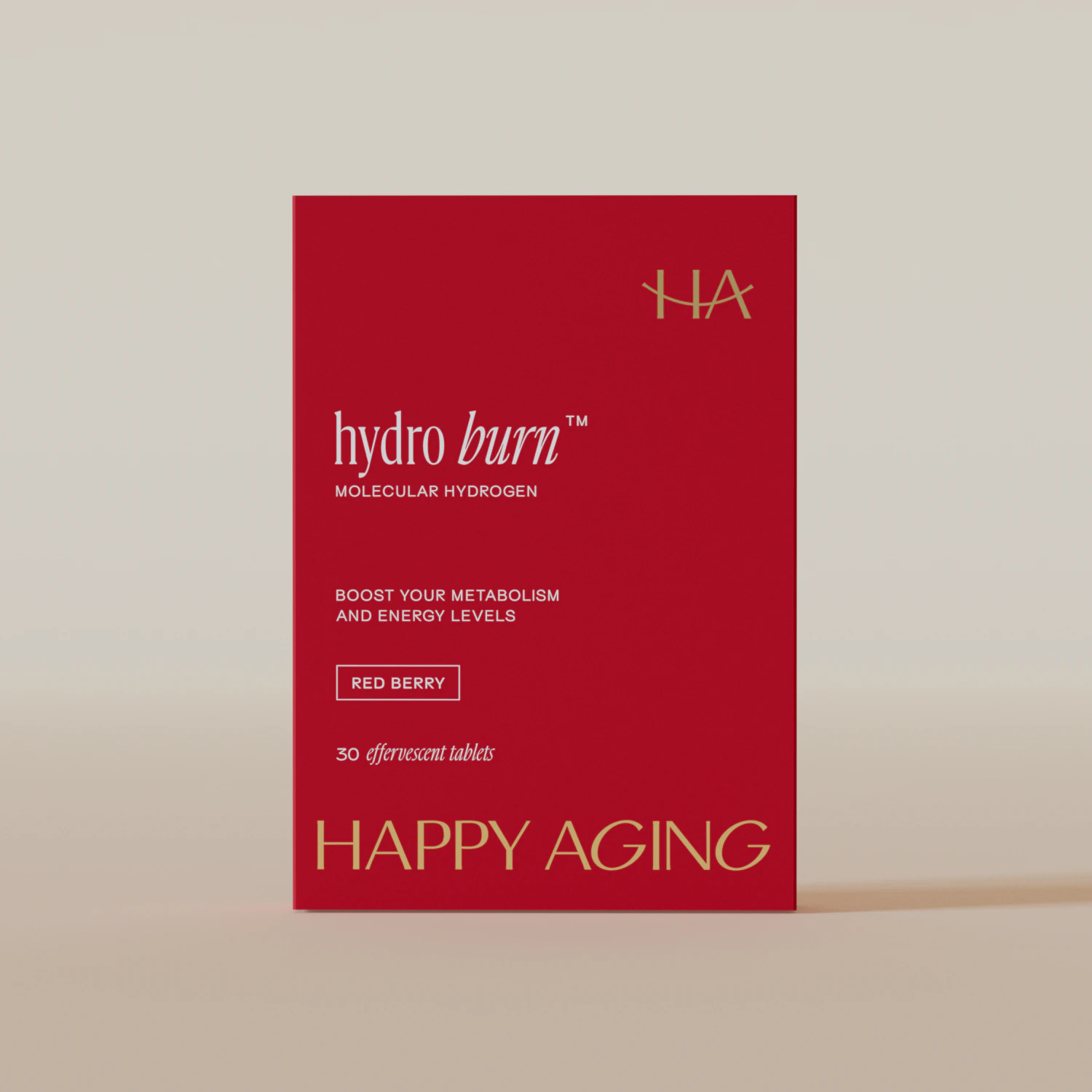
Hydro Burn
A caffeine-free dietary supplement containing molecular hydrogen and magnesium to support an active lifestyle. Magnesium contributes to normal energy metabolism and normal muscle function, and helps reduce fatigue and exhaustion.
View product →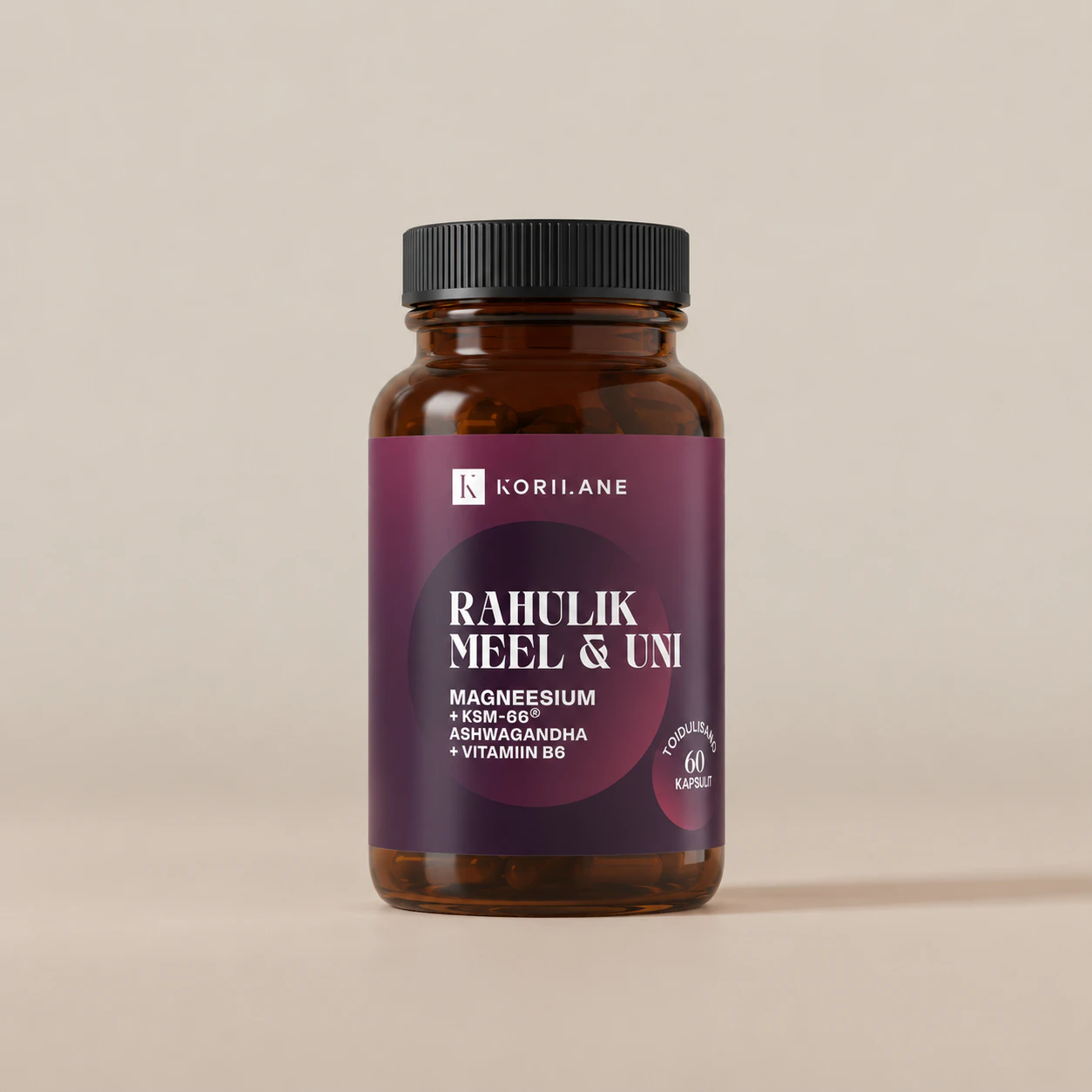
Peace of Mind & Sleep
A complex containing magnesium diglycinate, KSM-66® ashwagandha, and vitamin B6. Magnesium contributes to normal muscle function, and magnesium and vitamin B6 help reduce fatigue and exhaustion.
View product →This article is intended for general informational purposes only and is not a substitute for personal medical advice. If you have any health issues, previous injuries, or other conditions that may affect your training, consult an appropriate healthcare professional or a qualified trainer before starting a new workout routine. Dietary supplements are not a substitute for a varied and balanced diet or a healthy lifestyle.